

Selling a manufacturing business isn't like selling a services company.
Equipment, customer concentration, and key employees change how a buyer sees what you've built. Here's everything Horizon has published for manufacturing owners, and how to know where you actually stand.
Equipment and capital assets
How age, maintenance history, and replacement cost factor into a buyer's number.
Estimate your value →Customer concentration
Why one account being too large is the first thing a serious buyer flags.
Check your risk →Key person dependency
What happens to the valuation if the business can't run without the owner.
Take the quiz →Five essential guides for manufacturing
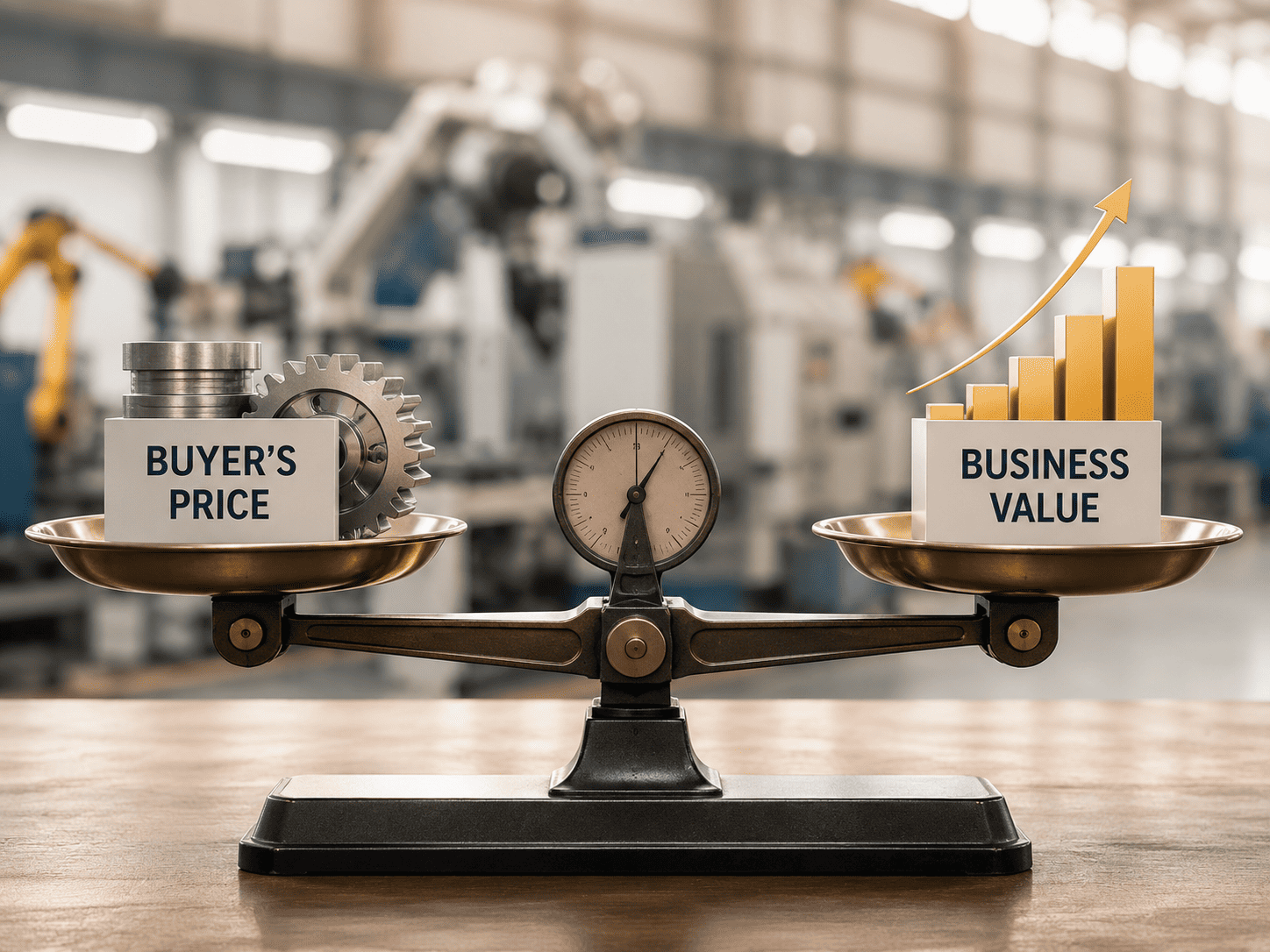
Manufacturing Business Valuation Guide
How buyers actually price a manufacturing business, and the misconceptions that cost owners real money at the negotiating table.
Read the guide →
Manufacturing Exit Planning
What experienced buyers evaluate before making an offer, and where manufacturing owners commonly lose value.
Read the guide →
Manufacturing Business Sale Preparation
What sophisticated buyers expect to see before your business even goes to market.
Read the guide →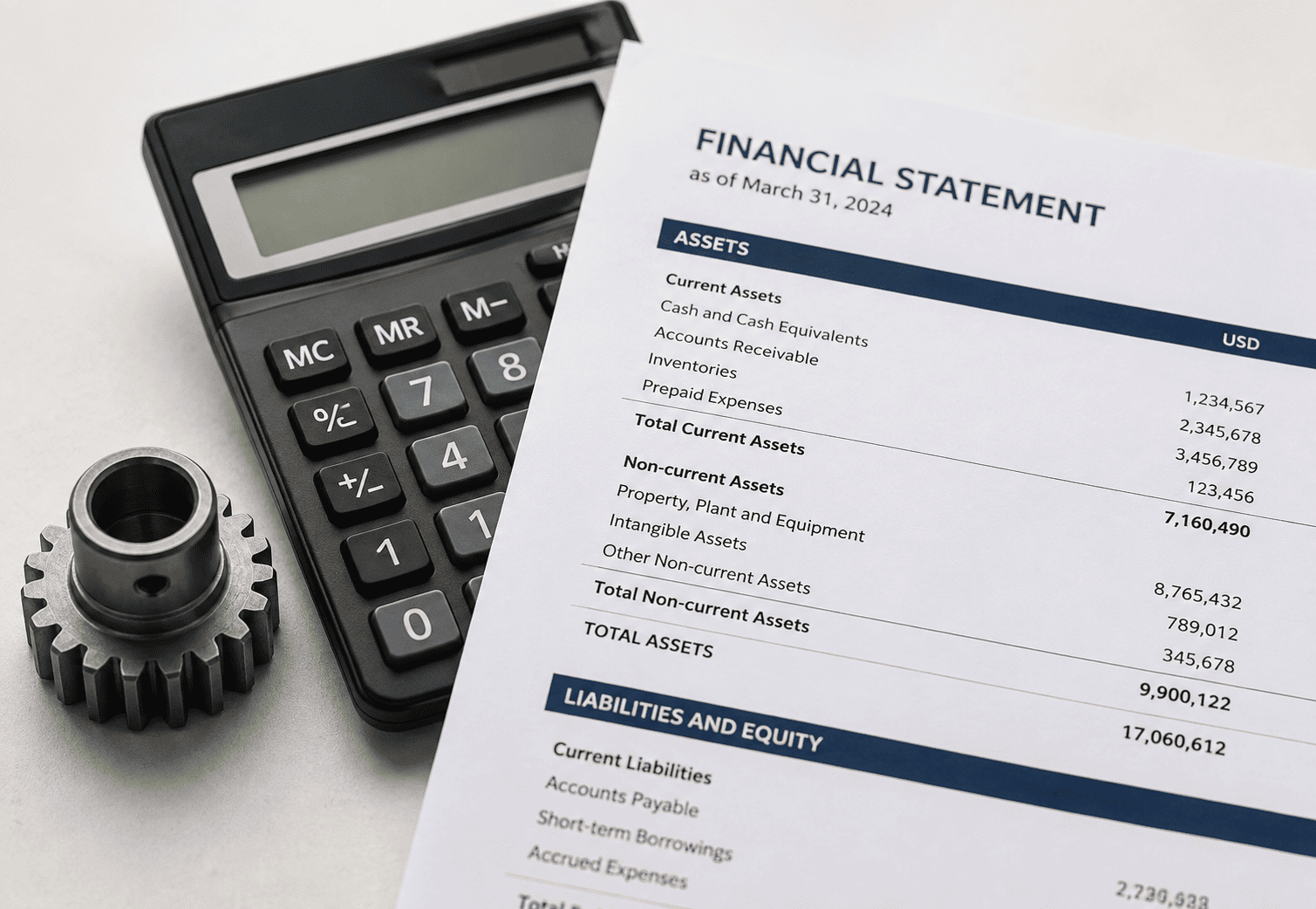
Manufacturing Business Sale Tax Guide
How deal structure, taxes, and legal terms can change what you actually take home from a sale.
Read the guide →
Manufacturing Due Diligence Checklist
What buyers verify after a Letter of Intent, and where manufacturing transactions commonly slow down.
Read the Checklist →Three tools worth using before you read further

Exit Readiness Quiz
Ten questions, scored on a 30 point scale, no email required to see the result.
Take the Quiz
Business Valuation Calculator
A directional estimate of value, framed the way a buyer would frame it.
Open the Calculator
Customer Concentration Risk Calculator
Shows exactly where concentration risk sits before a buyer finds it first.
Check Your RiskManufacturing exits
Anonymized, real-world situations from manufacturing sellers, so you can see how a similar deal actually went before you're in one.
Recent thinking for manufacturing owners
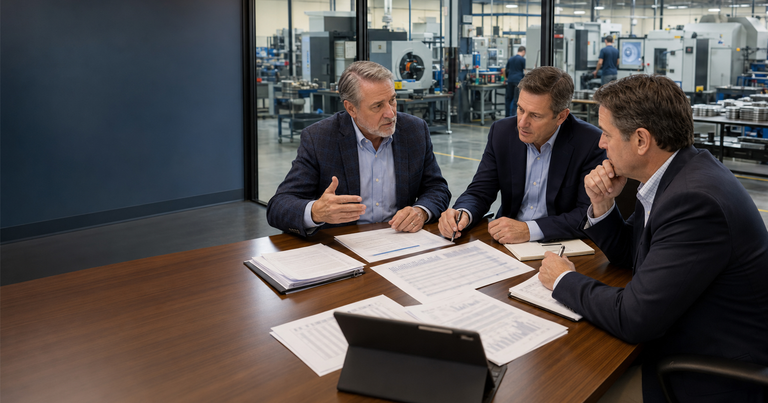
How Customer Concentration Can Affect the Value of a Manufacturing Business
For many manufacturing owners, landing a major customer is a significant achievement.

Why Similar Manufacturing Businesses Can Sell for Very Different Prices
Two manufacturing companies can each generate $3 million in EBITDA and still receive dramatically different offers from buyers.
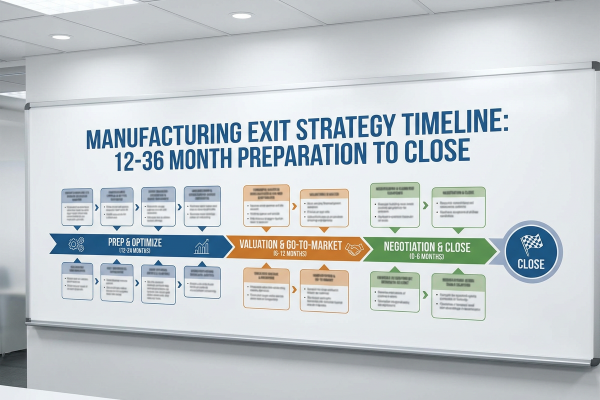
Manufacturing Exit Strategy: The Playbook Every Owner Needs Before They Sell
You built a manufacturing business that actually works. Now you are thinking about what comes next — retirement, a liquidity event, or…
Reports for manufacturing owners

Videos for manufacturing owners
A Welcome From Greg Carpenter
Frequently Asked Questions
- Consistent EBITDA growth
- Diversified customer base
- Modern equipment and technology
- Strong management team
- Recurring customer relationships
- Documented operating procedures
- Healthy margins
- Scalable production capacity
Other Industries
 Live
Live Live
Live Processing
 Processing
 Processing