

A Successful Sale Starts Long Before Buyers See Your Business.
Preparing a manufacturing business for sale isn't about collecting documents a few weeks before going to market. It's about presenting a business that inspires buyer confidence from the very first conversation. The more prepared your business is before buyers begin their evaluation, the smoother the process is likely to be.
Download the Checklist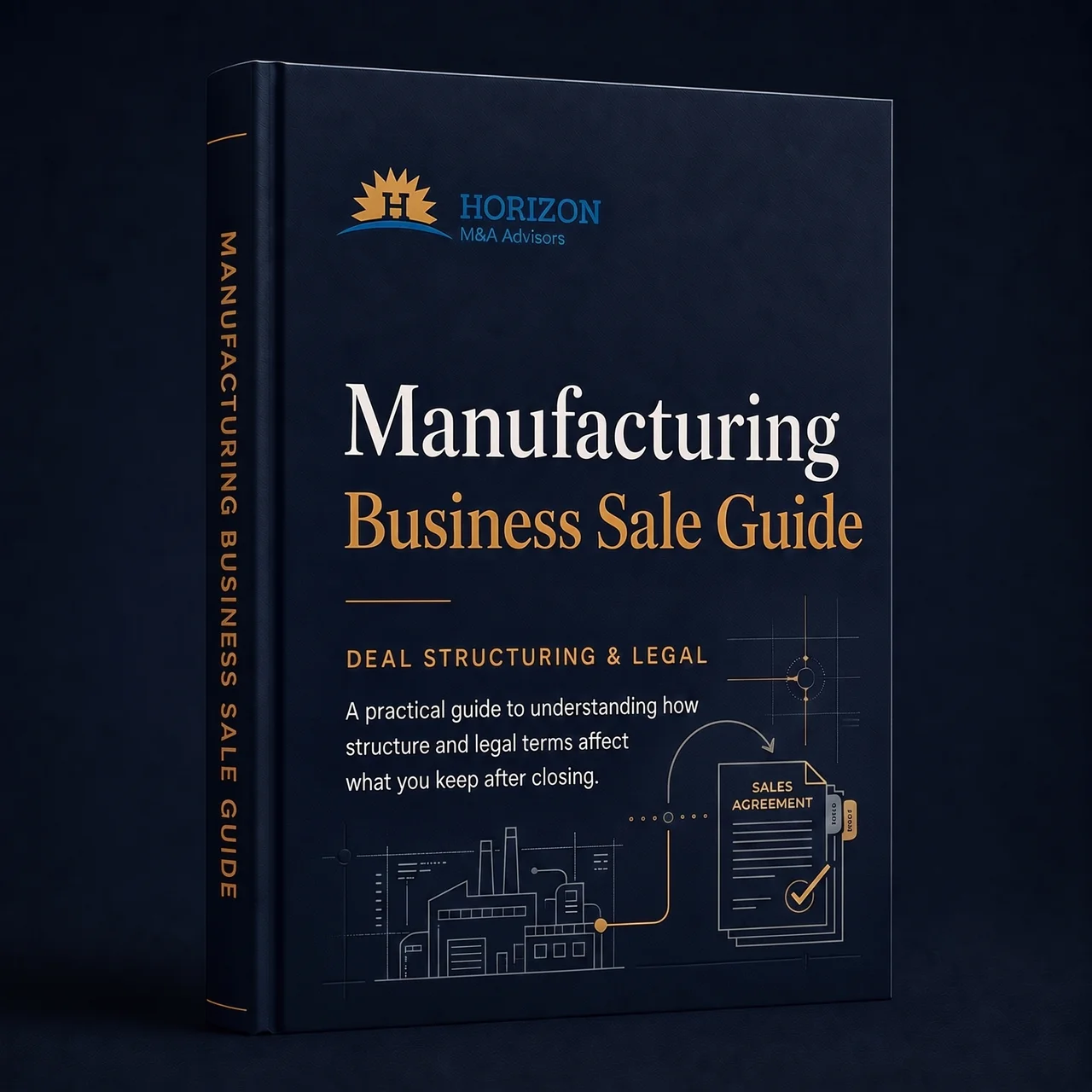
Why Preparation Matters
Many manufacturing business owners believe the selling process begins when the business is listed for sale. In reality, the sale process often begins months before buyers ever see an opportunity.
Preparing your business isn't simply about gathering financial statements or updating legal documents. It's about understanding how buyers evaluate manufacturing companies and addressing potential concerns before they become negotiation points.
Businesses that enter the market well prepared often experience fewer surprises, stronger buyer confidence, and a more efficient transaction process.
Not Sure If Your Business Is Ready?
Most manufacturing owners discover preparation gaps only after buyers start asking questions. Our Business Sale Preparation Checklist highlights the major readiness areas buyers commonly expect to see before entering the market.
Download the ChecklistWhy Manufacturing Businesses Require More Preparation
Every industry has unique considerations. Manufacturing businesses introduce additional layers of complexity that buyers carefully evaluate before making an offer.
They want confidence that production can continue efficiently, customer relationships remain stable, equipment supports future growth, and operational risks are well understood. Preparation isn't about making the business look perfect. It's about demonstrating that the business is organized, transparent, and capable of performing successfully after ownership changes.
Buyers Begin Forming Opinions Earlier Than Most Owners Realize
The first impression isn't made during due diligence. It's formed much earlier. From the quality of financial reporting to the way operational information is presented, buyers begin assessing how well a business is managed from the moment they receive initial information.
Financial Visibility
Can performance be understood clearly?
Operational Consistency
Are processes documented and repeatable?
Customer Stability
How dependent is the business on a small number of customers?
Management Depth
Can the business continue operating without the owner managing every decision?
Production Capability
Can current operations support future demand?
These early impressions often influence buyer confidence long before formal due diligence begins.
Common Preparation Mistakes Manufacturing Owners Make
Waiting Until Buyers Ask for Information
Many important documents and operational records take time to organize. Waiting until buyers request them can create unnecessary delays and increase pressure during the transaction.
Assuming Strong Financial Performance Is Enough
Healthy revenue and profitability certainly attract attention. However, buyers also want confidence in the quality of operations, reporting, leadership, and long-term sustainability.
Underestimating Operational Documentation
Manufacturing businesses often rely on years of operational knowledge held by experienced employees. When critical processes exist only in people's heads rather than documented systems, buyers may perceive additional transition risk.
Ignoring Potential Buyer Questions
Every buyer views risk differently. Preparing thoughtful answers before entering the market often leads to smoother conversations and greater confidence throughout the process.
Avoid Discovering These Issues Too Late
Preparation is much easier before buyers begin reviewing your business. Download our checklist to understand the preparation areas that often deserve attention before going to market.
Download the ChecklistWhat Buyers Expect Before You Go to Market
While every transaction is unique, sophisticated buyers generally expect a business to demonstrate readiness across several areas. Rather than looking for perfection, they're looking for consistency, transparency, and confidence that the business can continue performing after the ownership transition.
Understanding these areas early helps reduce uncertainty during the sale process.
Manufacturing owners often assume preparation starts after they've accepted an offer. In our experience, the businesses that achieve the smoothest transactions are usually the ones that completed most of their preparation before the first buyer was ever contacted. Preparation doesn't eliminate every challenge, but it gives buyers greater confidence in the business and gives owners greater confidence throughout the process.
Is Your Business Ready for the Market?
If you're uncertain about any of these questions, additional preparation may help strengthen your position before entering the market.
Manufacturing Business Sale Preparation Checklist
A High-Level Guide for California Manufacturing Business Owners, Prepared by Horizon M&A Advisors
Before engaging buyers, take a moment to assess whether your business is prepared across the areas that typically influence buyer confidence. Every transaction is unique, so the level of preparation required will vary based on your business, industry, and buyer.
Leadership & Management
Financial Readiness
Operations
Customers & Revenue
Suppliers
Equipment & Facilities
Legal & Compliance
Technology & Systems
Exit Planning
A checklist is a starting point, not a transaction strategy. Completing this checklist can help you identify areas that may deserve further attention. However, every manufacturing business has unique operational, financial, and strategic considerations that buyers will evaluate differently. If you're planning to sell your manufacturing business in the next few years, a confidential discussion with an experienced M&A advisor can help you better understand your readiness and identify opportunities to strengthen buyer confidence before going to market.