

Selling a distribution business rewards different things than selling a manufacturer.
Customer and supplier concentration, inventory quality, and the systems behind the business change how buyers price a distribution company. Here's everything Horizon has published for distribution owners, and how to know where you actually stand.
Customer & supplier concentration
Why depending on one account or one vendor is the first risk a buyer flags.
Check your risk →Inventory & margin quality
How turnover, obsolete stock, and gross margin shape a buyer's confidence.
Estimate your value →Systems & technology
Why modern ERP and inventory systems increasingly influence valuation.
Take the quiz →Five essential guides for distribution

Distribution Business Valuation Guide
How buyers actually price a distribution business, and the misconceptions that cost owners real money at the negotiating table.
Read the guide →
Distribution Exit Planning
What experienced buyers evaluate before making an offer, and where distribution owners commonly lose value.
Read the guide →
Distribution Business Sale Preparation
What sophisticated buyers expect to see before your business even goes to market.
Read the guide →
Distribution Business Sale Tax Guide
How deal structure, taxes, and legal terms can change what you actually take home from a sale.
Read the guide →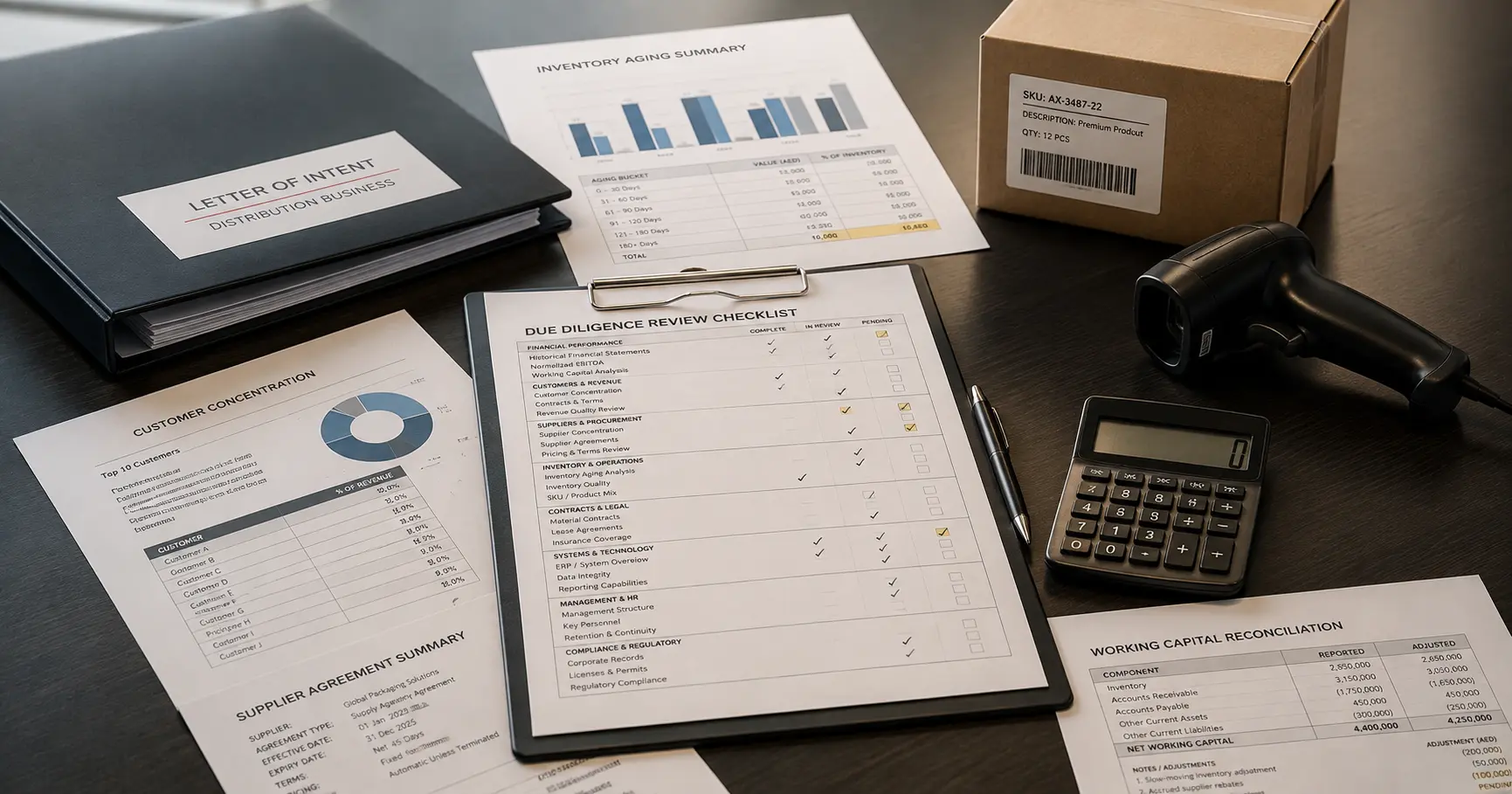
Distribution Due Diligence Guide
What buyers verify after a Letter of Intent, and where distribution transactions commonly slow down.
Read the guide →Three tools worth using before you read further

Exit Readiness Quiz
Ten questions, scored on a 30 point scale, no email required to see the result.
Take the Quiz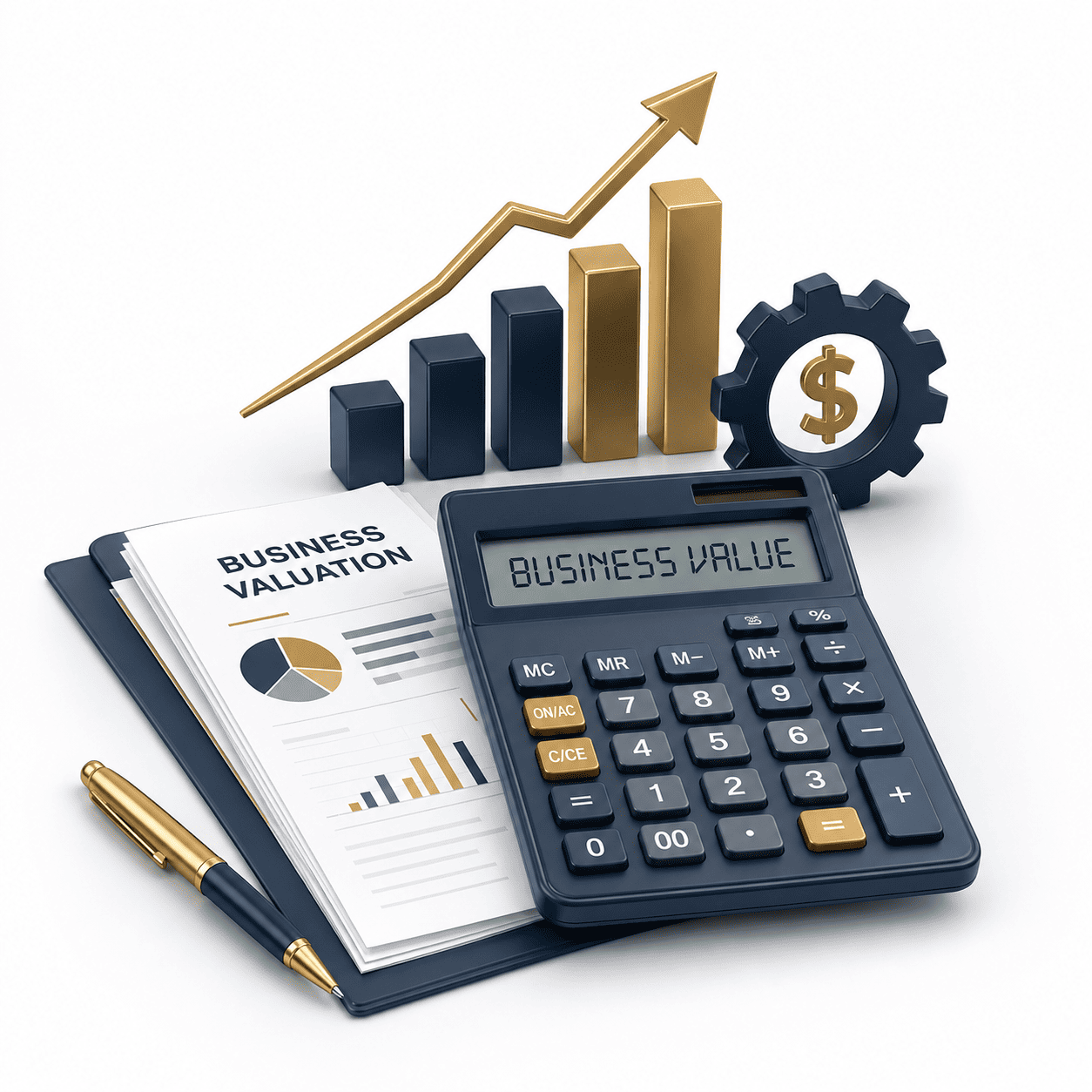
Business Valuation Calculator
A directional estimate of value, framed the way a buyer would frame it.
Open the Calculator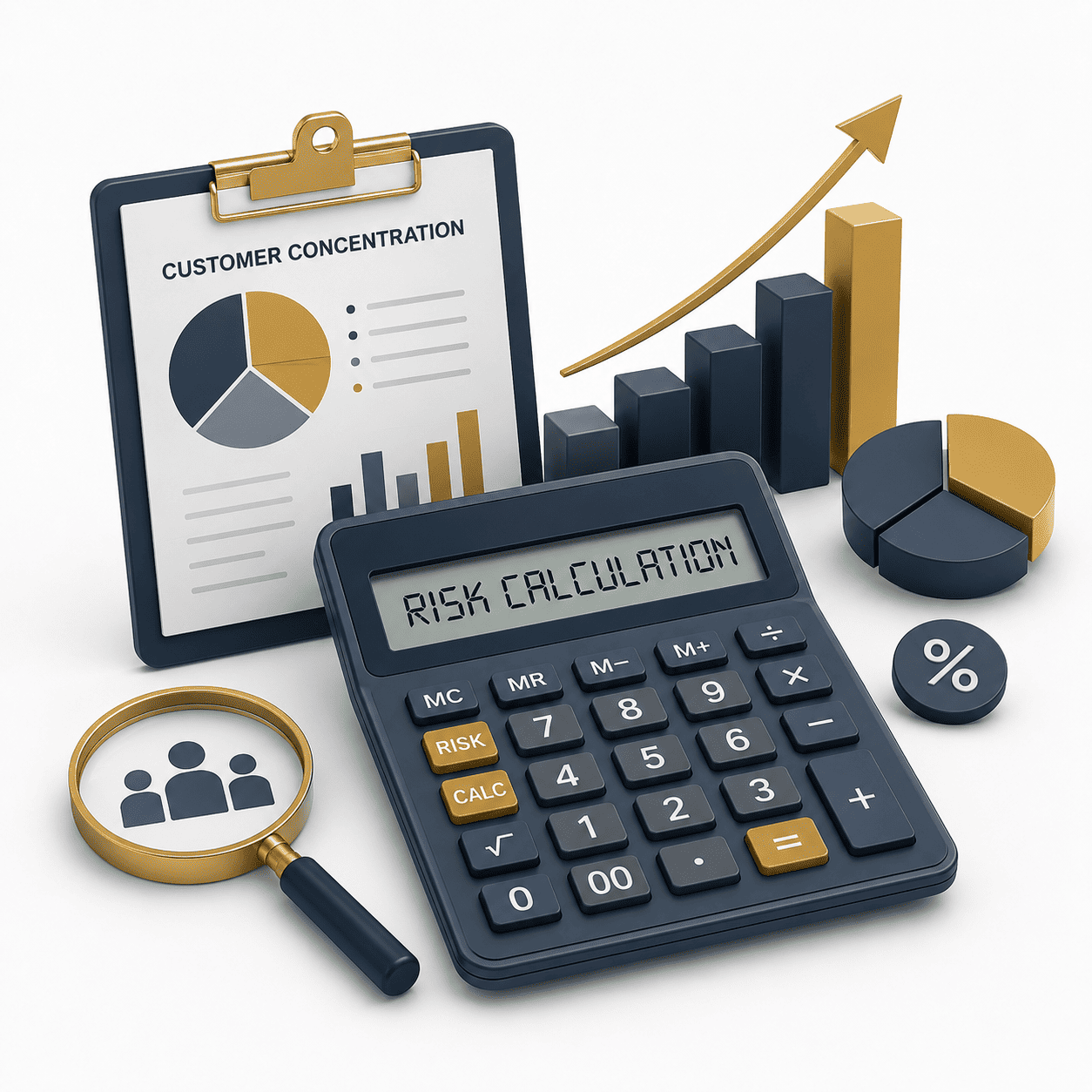
Customer Concentration Risk Calculator
Shows exactly where concentration risk sits before a buyer finds it first.
Check Your RiskDistribution exits
Anonymized, real-world situations from distribution sellers, so you can see how a similar deal actually went before you're in one.
Recent thinking for distribution owners

How Inventory and Working Capital Affect the Value of a Distribution Business
When a distribution business owner starts thinking about a sale, the conversation usually begins with EBITDA.

How Buyers Value a Distribution Business: What Really Drives the Multiple?
A distribution business can generate $30 million in annual revenue and be worth considerably less than another distributor generating $20 million.

Videos for distribution owners
A Welcome From Greg Carpenter
Frequently Asked Questions
Other Industries
 Live
Live Live
Live Processing
 Processing
 Processing