

The Sale Price Isn't What You Take Home.
How your distribution business sale is structured can have a significant impact on taxes, legal obligations, transaction risk, and the amount you ultimately receive after closing. Understanding these considerations early can help you evaluate offers more effectively and make informed decisions before negotiations become complex.
Get Instant Access to the Guide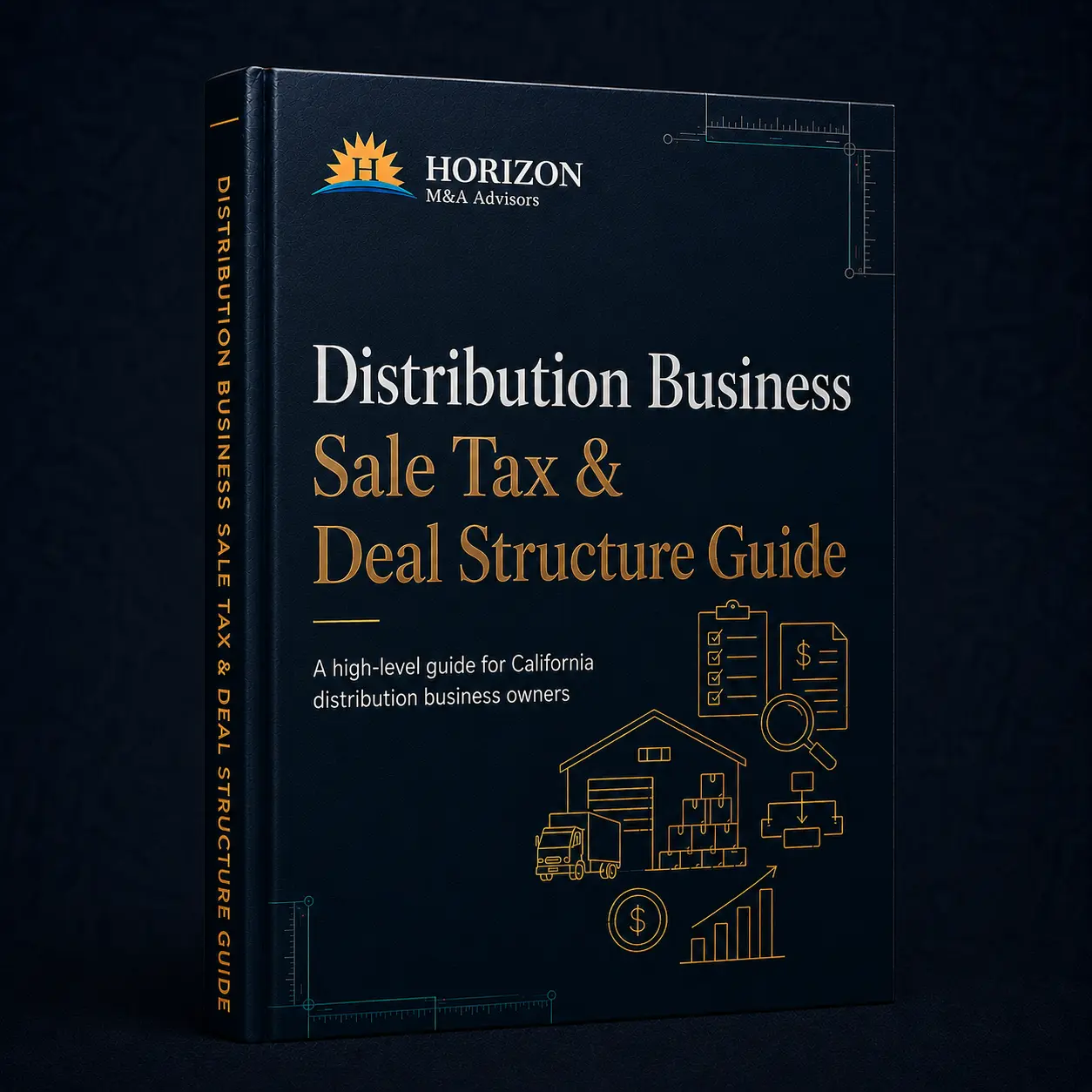
Why Deal Structure Matters
When owners think about selling their distribution business, the purchase price is often the first number they focus on. Experienced buyers and M&A advisors look beyond the headline number.
The distribution business sale structure, tax implications, working capital adjustments, earnouts, payment terms, and post-closing obligations can all influence the final outcome. Two transactions with the same purchase price can produce very different results for the seller depending on how the deal is structured.
For distribution businesses, factors such as inventory, accounts receivable, supplier relationships, customer concentration, and working capital can make the structure of the transaction particularly important. Understanding these considerations before negotiations begin can help owners approach the process with greater confidence.
Understand More Than Just the Sale Price
Get instant access to our Distribution Business Sale Tax Guide and explore the key considerations that can influence the outcome of a distribution business transaction.
Unlock the Guide NowUnderstanding What Shapes Your Final Outcome
A successful transaction isn't measured solely by the purchase price. Sophisticated buyers and experienced advisors also consider how value is transferred, how risk is allocated, and what obligations remain after closing.
Transaction Structure
How ownership transfers can affect the overall transaction, including liabilities, contracts, taxes, and transaction complexity.
Tax Considerations
How the structure of the transaction may influence the amount ultimately retained from the sale.
Working Capital
How inventory, receivables, payables, and other operating requirements may affect proceeds at closing.
Representations & Warranties
The commitments sellers may make regarding the business, its financial information, contracts, and other matters.
Earnouts
When part of the purchase price depends on future business performance or other agreed milestones.
Post-Closing Obligations
Responsibilities that may continue after the transaction, including transition support and other negotiated commitments.
Common Misconceptions
"The highest offer is always the best offer."
Not necessarily. Two offers with identical purchase prices can produce very different financial outcomes depending on deal structure, tax treatment, payment terms, working capital, and ongoing obligations.
"Taxes are only discussed after accepting an offer."
Many tax considerations are easier to evaluate before negotiations begin. Early distribution M&A tax planning may provide greater flexibility than trying to address tax considerations after the transaction structure has already been negotiated.
"Every distribution business sale is structured the same way."
Every transaction is unique. The appropriate structure depends on the business, buyer objectives, tax considerations, legal requirements, contracts, liabilities, and the objectives of both parties.
"Legal documents simply formalize the agreement."
Legal documentation does much more than record the transaction. It defines responsibilities, allocates risk, and establishes obligations that may continue after closing.
Preparing Early Creates More Options
The earlier owners understand the financial, tax, and structural considerations involved in selling a distribution business, the better positioned they are to evaluate offers and negotiate with confidence.
Get Instant Access to the GuideOne of the most common questions we hear is, "What offer should I accept?" A better question is, "Which offer leaves me in the strongest position after taxes, deal structure, working capital, and post-closing obligations are considered?" Purchase price is only one part of the transaction. The structure behind that number often determines the true outcome.
Questions Every Distribution Owner Should Consider
If any of these questions create uncertainty, understanding the broader transaction framework before negotiations begin may help you make more informed decisions.
See What the Guide Covers
A practical overview of the major tax and deal structure considerations distribution business owners should understand before entering negotiations.
Inside the Guide, You'll Explore
This guide is designed to improve understanding, not replace professional tax or legal advice.