
What Buyers Really Look for in SaaS Acquisitions
When acquiring a SaaS company, buyers focus on revenue quality, customer retention, scalable growth, unit economics, and operational predictability.

Your blog category
When acquiring a SaaS company, buyers focus on revenue quality, customer retention, scalable growth, unit economics, and operational predictability.

When selling a business, the headline purchase price rarely equals what the owner ultimately takes home. Hidden costs—such as working capital adjustments, transaction fees, tax structuring, earn-outs, rollover equity risk, and post-closing obligations—can significantly reduce net proceeds.

The mid-market M&A landscape entering 2026 looks fundamentally different from what many business owners remember from prior sale cycles.

The mid-market M&A landscape entering 2026 looks fundamentally different from what many business owners remember from prior sale cycles.

Roll-ups and platform deals are private equity–backed acquisition strategies where multiple businesses are combined to create a larger, more valuable enterprise.
A Letter of Intent (LOI) outlines the key commercial and legal terms under which a buyer proposes to acquire your business. While often described as “non-binding,” several LOI clauses materially affect valuation, deal structure, and your negotiating leverage.

Preparing your management team for an ownership transition requires reducing owner dependency, strengthening leadership accountability, and proving the business can operate without you.
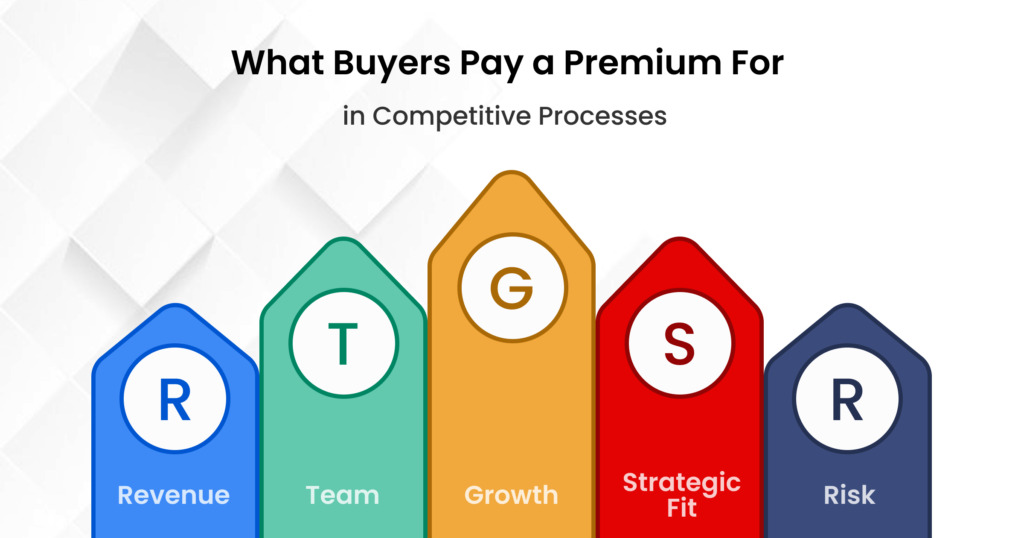
In competitive sale processes, not all businesses are valued equally—even within the same industry. Some companies consistently attract multiple buyers and premium offers, while others struggle to move beyond average valuations.
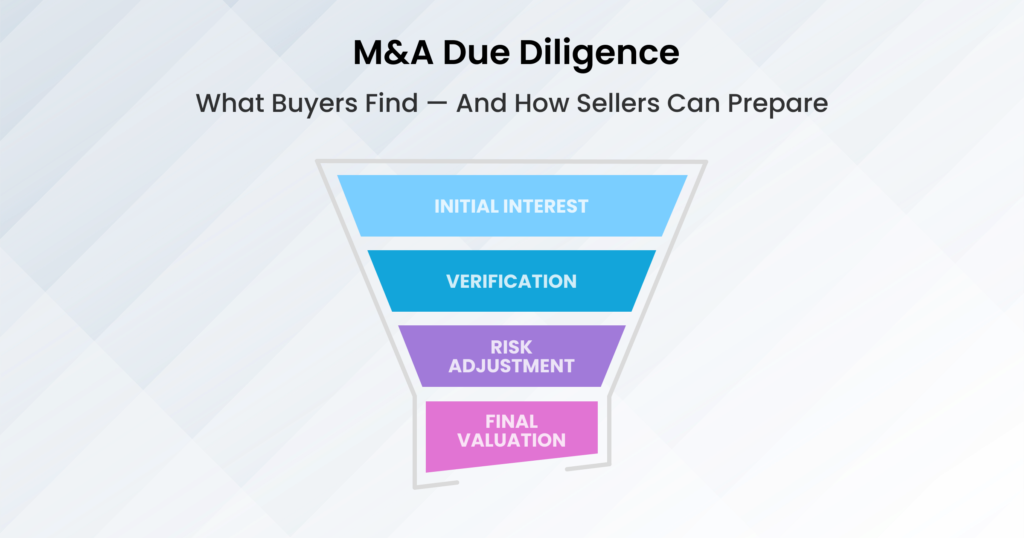
For many business owners, the most stressful part of selling a company isn’t finding a buyer—it’s surviving due diligence. This is the phase where deals slow down, valuations change, and transactions sometimes fall apart entirely.

When business owners decide to sell, one of the most important—and often underestimated—decisions is who to sell to. The choice between a strategic buyer vs private equity buyer can dramatically affect valuation, deal structure, post-sale involvement, and long-term satisfaction with the exit.