
Services Platform – Confidential Investment Opportunity
In private equity–backed M&A transactions, companies are often acquired as either platform investments or add-on acquisitions.

Your blog category
In private equity–backed M&A transactions, companies are often acquired as either platform investments or add-on acquisitions.
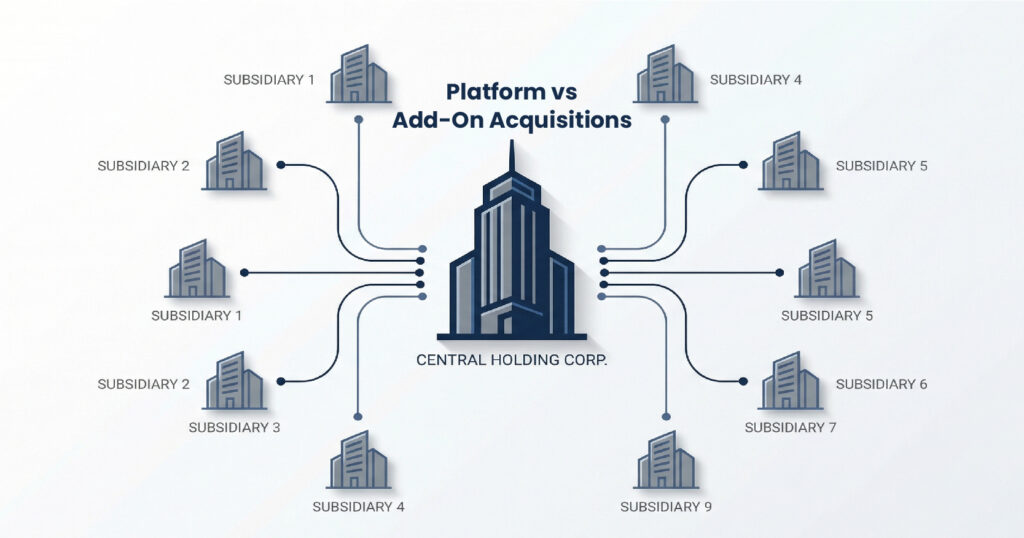
In private equity–backed M&A transactions, companies are often acquired as either platform investments or add-on acquisitions.

In mergers and acquisitions, some buyers are willing to pay more than standard valuation multiples when a target company creates unique strategic value.

Artificial intelligence is rapidly transforming how mergers and acquisitions (M&A) deals are evaluated.
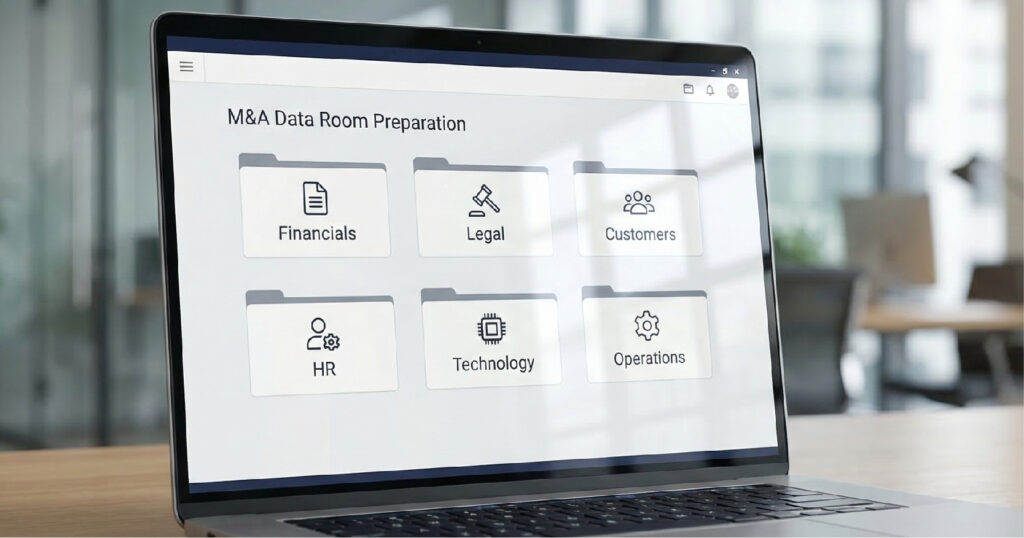
A well-organized data room accelerates due diligence, builds buyer confidence, and reduces the risk of valuation discounts during a business sale. Buyers rely on data rooms to verify financial performance, operational stability, legal compliance, and growth assumptions.

Before discussing valuation multiples, buyers quietly screen potential acquisitions using a set of key performance indicators (KPIs) that reveal risk, scalability, and earnings quality.

In nearly every business sale, the deal doesn’t truly end at closing. Hidden in the fine print of the purchase agreement is one of the most critical—and misunderstood—components of any transaction: the working capital true-up.

A retrade occurs when a buyer attempts to renegotiate price or deal terms after signing a Letter of Intent (LOI), typically during due diligence. Buyers retrade when they uncover new risks, question financial assumptions, detect performance changes, or reassess market conditions.

When selling a business, most owners focus on valuation and cash at closing. But in many mid-market transactions—especially those involving private equity—buyers propose an equity rollover.
Interest rates directly influence business valuations, buyer behaviour, deal structure, and exit timing. When rates rise, borrowing becomes more expensive, which can reduce acquisition leverage and pressure valuation multiples.