How to Prepare Your Management Team for an Ownership Transition
Preparing your management team for an ownership transition requires reducing owner dependency, strengthening leadership accountability, and proving the business can operate without you.
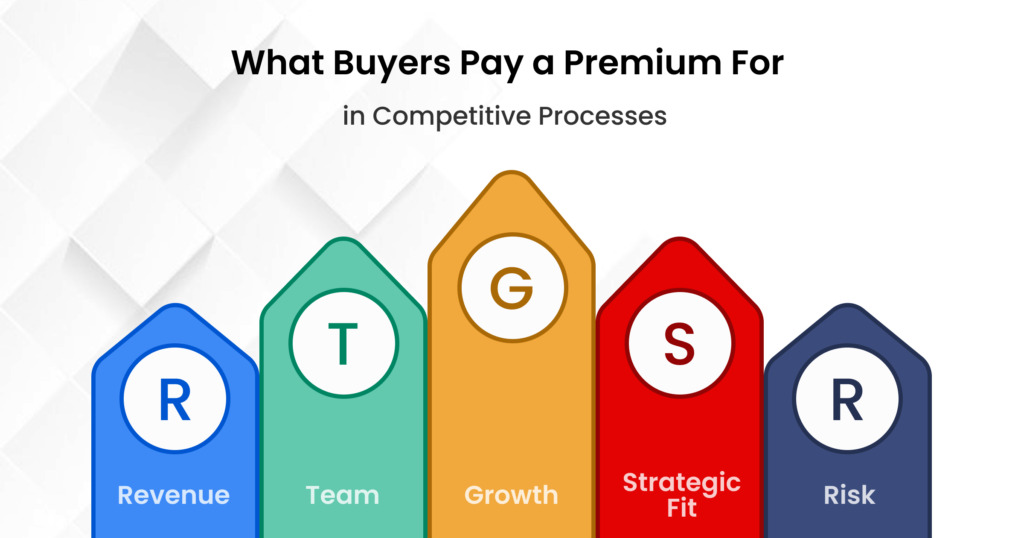
In competitive sale processes, not all businesses are valued equally—even within the same industry. Some companies consistently attract multiple buyers and premium offers, while others struggle to move beyond average valuations.
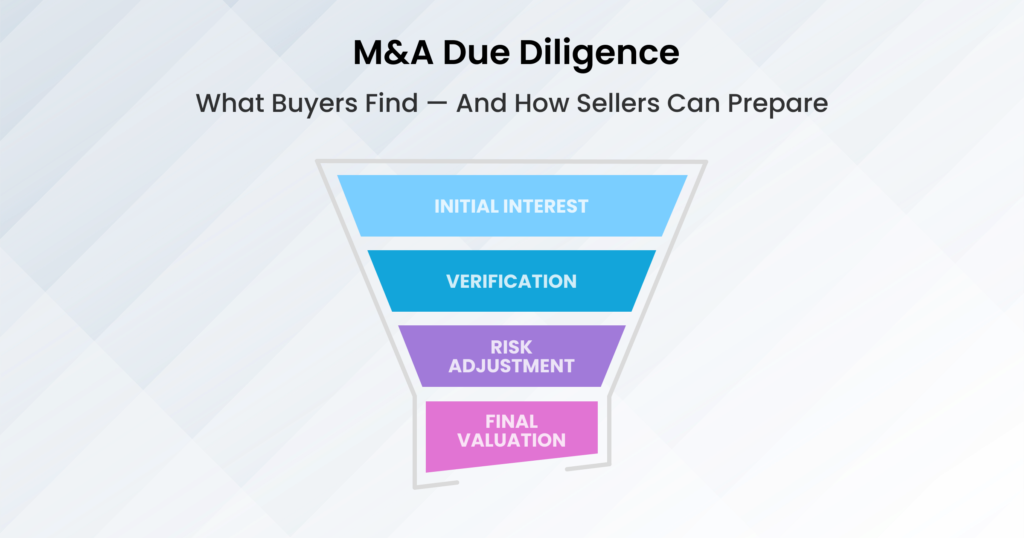
For many business owners, the most stressful part of selling a company isn’t finding a buyer—it’s surviving due diligence. This is the phase where deals slow down, valuations change, and transactions sometimes fall apart entirely.
When business owners decide to sell, one of the most important—and often underestimated—decisions is who to sell to. The choice between a strategic buyer vs private equity buyer can dramatically affect valuation, deal structure, post-sale involvement, and long-term satisfaction with the exit.
When business owners begin thinking about an exit, one of the most important—and often misunderstood—decisions is how much of the business to sell. For some, a clean break through a full sale feels right. For others, selling partial equity offers liquidity while keeping a seat at the table.
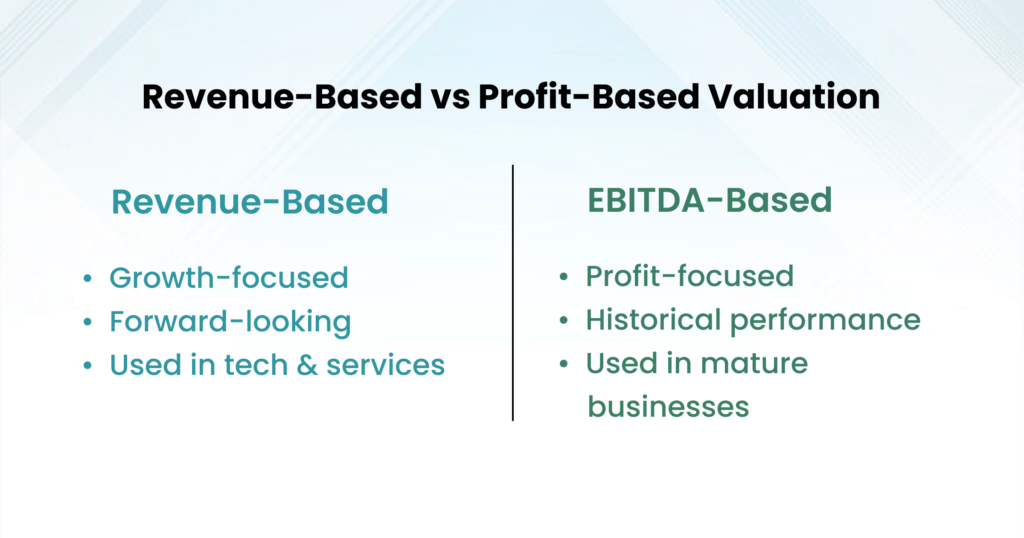
In today’s M&A environment, many business owners are surprised to learn that buyers are not always valuing companies purely on EBITDA or profits. Instead, especially in technology and services businesses, buyers increasingly rely on revenue-based business valuation to price deals.
The decision to sell a business is often a highly personal, emotional, and financial crossroads for an owner. We recently navigated a complex sale that perfectly illustrates the unforgiving relationship between a company’s earnings performance and its ultimate sale price and terms.
In the past, M&A activity was often defined by headline-making mega deals—large, attention-grabbing transactions that transformed entire industries overnight. But in today’s evolving environment, a new strategy is reshaping how buyers pursue growth: programmatic M&A.
If you’re thinking of selling your business, the most important thing you can do is understand exactly how buyers evaluate companies today. In 2025–26, buyers are more sophisticated, more data-driven, and more selective than ever.
The Ultimate Checklist for Attracting Private Equity Interest and Maximizing Valuation