
Bay Area Construction & Trades: M&A Outlook for May 2026
The M&A market for contractors, specialty trades, and small construction firms in the San Francisco Bay Area is shifting from defensive to strategic. Buyers and investors who paused during 2022–2024 volatility are returning, but the playbook has changed: acquirers prize stable backlog, predictable margins, and managers who can close the skills gap fast.
Deal Flow: Steady, Selective, Sector-Focused
Deal volume has not exploded, but quality-of-deal appetite has risen. Private equity and regional strategics are focused on consolidation in specialty trades (electrical, mechanical/HVAC, plumbing), building products distribution, and firms with recurring service revenue (facilities, maintenance, rooftop/solar installation). The emphasis is on scale economics, cross-sell channels, and companies with modern estimating and project controls that reduce bid-to-win variance.
Valuations and Pricing Pressure
Multiples are stabilizing versus the sharp swings seen earlier in the decade, but buyers are deducting for execution risk: understaffed crews, thin margins, and backlog tied to single large customers. Expect buyers to insist on earnouts, working-capital true-ups, and retention-linked compensation for key foremen and estimators. Sector-specific premium remains for firms exposed to public/infrastructure work with confirmed funding.
Cost and Execution Realities That Shape Deals
Skilled-Labor Scarcity
Bay Area employers continue to report gaps in journeyman carpenters, electricians, and trade supervisors. That shortage compresses margin upside and increases the importance of documented recruiting, apprenticeship partnerships, and cross-training programs in diligence. Buyers are valuing workforce development plans as highly as equipment lists.
Materials & Input-Price Volatility
While some commodity prices eased after 2023–24 spikes, iron, steel and specialty components have shown renewed upward pressure at times, creating contingency needs in contracts and reserves in purchase agreements. Diligence increasingly focuses on bills of materials, supplier concentration, and subcontractor pass-through clauses.
Public Work and Capital Programs — A Differentiator
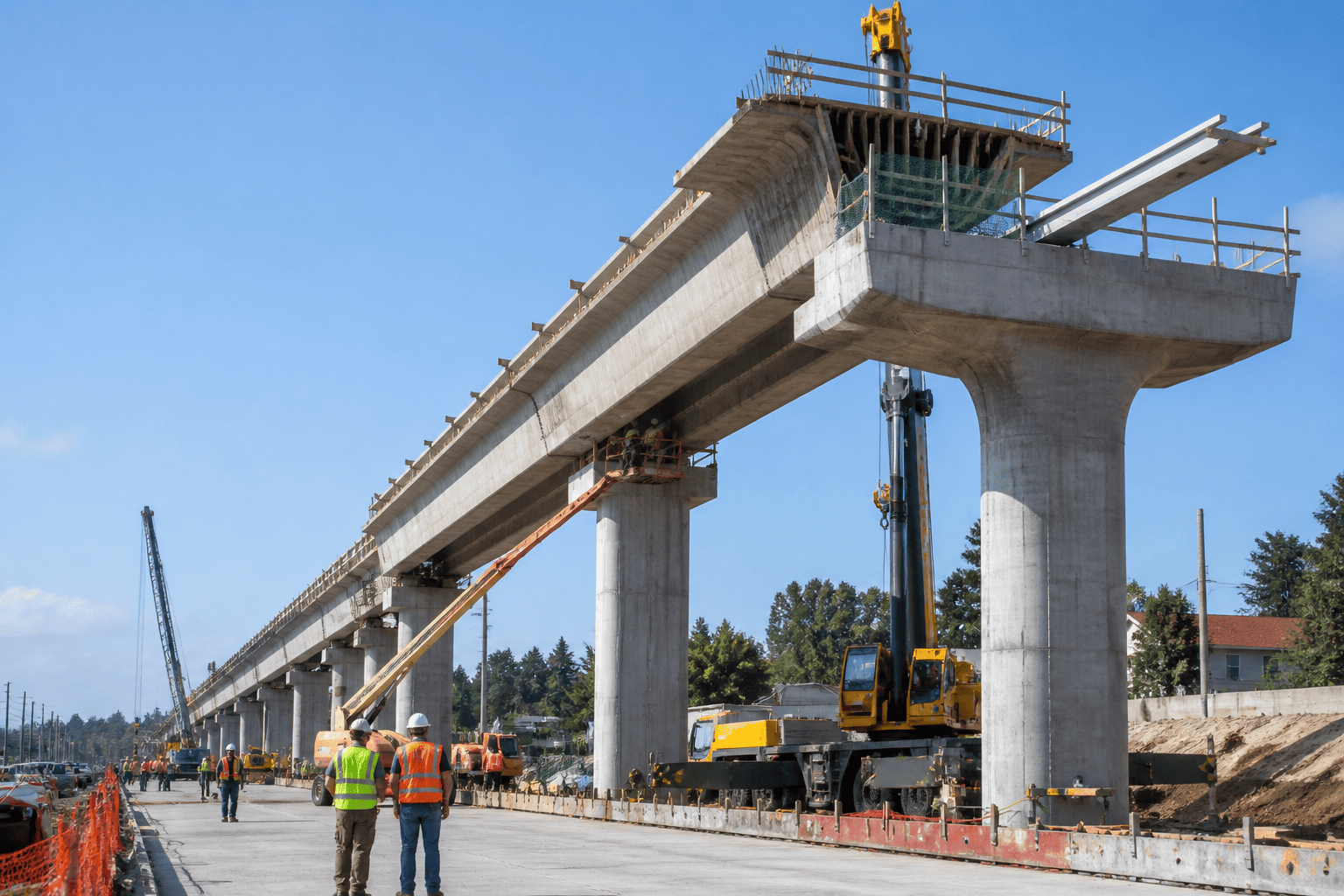
State and regional budgets flowing to transit, streets and local capital projects matter. California's near-term infrastructure allocations and local transit capital programs are sustaining a pipeline of public-funded scopes — a meaningful premium for acquirers who want stable, creditworthy backlog. Firms with DBE/MBE certifications or history on public bids gain negotiating leverage and better access to banking for acquisition financing.
"This market rewards visible repeatability: repeatable margins, repeatable workforce pipelines, repeatable contract mechanics. Buyers will pay for certainty."
What Sellers Need to Fix Before They Market
Buyers are pragmatic: they will pay for predictable earnings, not potential. Sellers should prioritize:
Clean Project-Level Financials
Clean, project-level margins and a reconciled backlog report that shows margin, warranty exposure, and schedule risk.
Workforce Continuity Plans
Written training/apprenticeship pipelines and documented key-person retention packages.
Contract Hygiene
Clear pass-throughs for material escalation, subcontractor dispute history, and standardized lien waivers.
Controls & Tech
Cloud-based estimating, project-management platforms, and digital change-order trails that shorten diligence and improve buyer confidence.
When these items are absent, buyers substitute with lower upfront cash and larger contingent payouts.

Financing Environment and Structuring
Available capital for roll-ups and platform plays has returned, but with tighter underwriting on construction working capital. Lenders and sponsors want evidence a target can hold margins through a cycle; they price-in labor and materials risk via covenant tests and holdback mechanics. Sellers should expect more detailed cash-sweep language and escrow holdbacks tied to post-closing performance.
Tactical Takeaways for Bay Area Owners
Owners planning exits in 2026 should accelerate basic fixes now: tidy financials to project-level P&Ls, document backlog and change-order history, and codify staffing contingencies. Positioning your business as a de-risked platform — not a solo-operator shop — materially improves both price and pay-out structure.
This market rewards visible repeatability: repeatable margins, repeatable workforce pipelines, repeatable contract mechanics. Buyers will pay for certainty; the sellers who deliver it will capture the best deal structures in the Bay Area through mid-2026.